

There's More to Life Beyond Your Cell Phone
During the week of March 17-21, at the Dr. José dos Santos Bessa da Carapinheira 2.3 school, the following took place: A week without cell phones., organized by the 9th grade DAC Project teaching team and other teachers with the collaboration of their respective students.
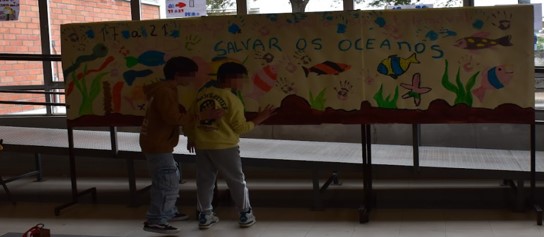
The initiative's main objective was to promote social interaction among students during breaks, in order to reduce dependence on technology and improve concentration in class. At school, students spend too much time isolated in the "company" of their cell phones, and parents are unaware of the lack of socialization.
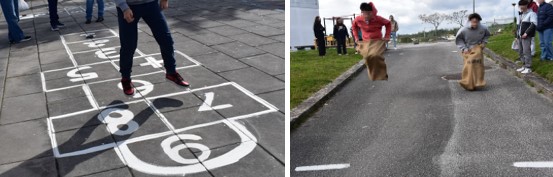
The excessive use of mobile phones or tablets also causes inertia and even aversion to some subjects, such as Physical Education, which has become a problematic subject for some students, when it used to be a favorite. Nowadays, young people and children spend more time to experience the body, at the fingertips, rather than to move it., in its entirety, and this has consequences that extend beyond the increase. of sedentary lifestyles and childhood obesity. However, active play during recess fosters concentration in the classroom. Playing at school, in the community, and at home is essential for emotional, cognitive, motor, and social development. Excessive use of social media can negatively affect school performance. Furthermore, it undoubtedly reduces time spent on productive activities – studying, reading, and physical exercise – interfering with knowledge acquisition and learning.
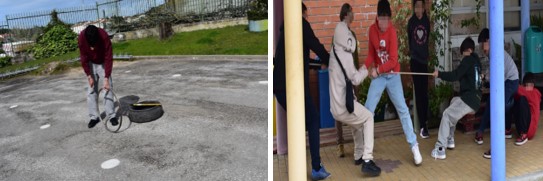
The main objective of the "There's More to Life Beyond the Mobile Phone" Project is to alert all students in the school to the harmful effects of excessive technology use. Therefore, with the support of their respective class teachers and parents/guardians, the majority of students in the 2nd and 3rd cycles answered an online questionnaire based on their mobile phone usage.
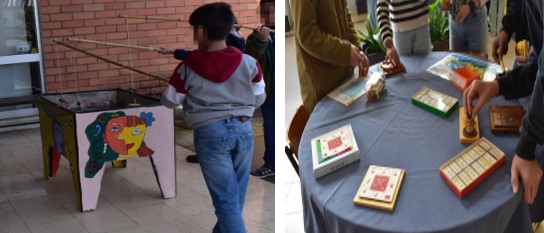
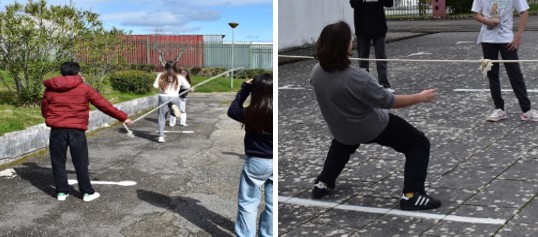
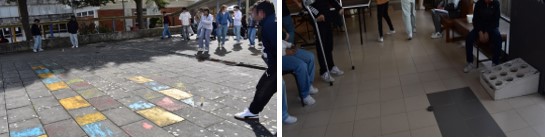
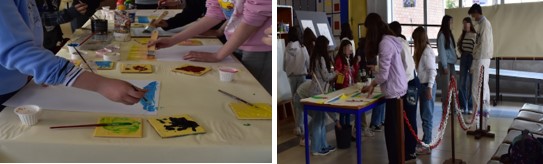
With the support of the Visual and Technological Education teachers, the 9th-grade students created several informative and appealing posters, which were distributed throughout the school in order to involve a greater number of participants in the project. A week without cell phones. Other teachers from the DAC team guided the students in collecting traditional games, drawn and painted in the school playground and others distributed in the multipurpose room, thus providing greater interaction among the students. Many students, curious about some of the games, observed, but quickly discovered ways to occupy their time, either with face-to-face conversations or with the traditional games. Students, teachers, and operational assistants, together, showed that the school community supported this challenge, recognizing its great importance for digital balance, and stated that it could become a regular practice at the school.

You may also like


The school group celebrates National Scientific Culture Day.